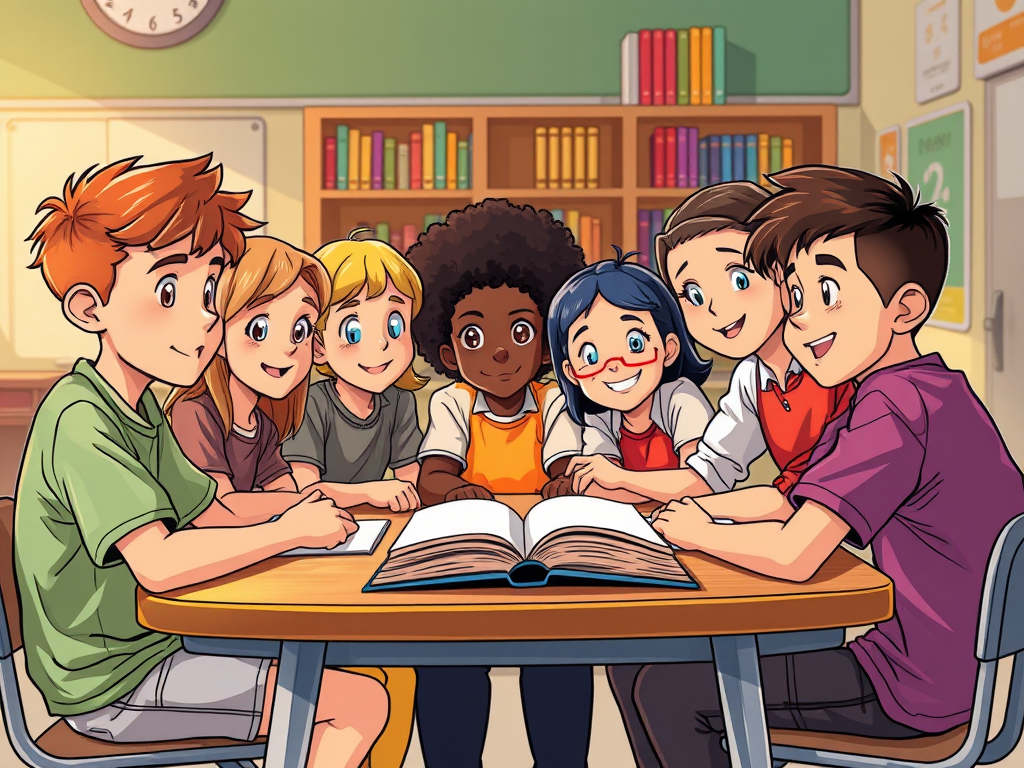
In the age of artificial intelligence and virtual realities, I guess it is inevitable that the age-old tradition of talking around the campfire is viewed as teaching outside the box (Fecho et al., 2016). This juxtaposition of an ever-increasing digital world and keeping the engine of human connection charged requires educators to balance embracing technology without losing the essence of genuine human relationships.
An important consideration is the growing diversity in our classrooms. In 2018, 27.4% of NZ population were foreign born with England, China, India, South Africa and Australia being the top five overseas birthplaces (Census New Zealand, 2019). By 2040, 52% of New Zealand’s population will be non-pakeha (Valentine, 2022). As Aotearoa becomes more diverse, one challenge of this global diversity for education is the immense task of establishing and sustaining inclusive school cultures where everybody feels a sense of belonging.
Dialogic approaches are strengths-based. In the context of reading comprehension, a learner who can not decode a text on their own, can still discuss it if it has been read aloud. By taking the potential approach we give all learners the benefit of what is possible
There is evidence that dialogue intensive pedagogies are associated with positive literacy outcomes including literate thinking (Gibbs et al. 2022). Alexander (2020) asserts that a key to raising standards is the inclusion of high quality, cognitively engaging empowering talk. McNaughton (2020) affirms that acceleration in reading for Māori and Pasifika learners is more likely when comprehension is based on extended discourse.
When students engage in dialogue they learn to acknowledge and respond to the perspectives of others; seeking to understand them while at the same time being respectful of the differences between them and one’s own understanding. Using these differences as a resource generates new perspectives and, as a result, a richer understanding of other people. Phillipson & Wegerif (2016) also expresses this belief that exploring ideas from different perspectives can promote a deeper conceptual understanding.
Alexander, R. (2020). A dialogic teaching companion. Routledge.
Census: New Zealand as a village of 100 people. (2019) retrieved from: https://www.stats.govt.nz/assets/Uploads/Infographics/New-Zealand-as-a-village-of-100-people-education-and-employment/new-zealand-village-100-people-2018-census-poster.pdf
Fecho, B., Falter, M., & Hong, X. (Eds.). (2016). Teaching outside the box but inside the standards: Making room for dialogue. Teachers College Press.
Gibbs, B., White, A., & McDowall, S. (2022). Developing a common practice model for literacy & communication and maths.
McNaughton, S. (2020). The literacy landscape in Aotearoa New Zealand.
Phillipson, N. & Wegerif, R. (2016). Dialogic education: Mastering core concepts through thinking together. Abingdon and New York: Routledge.Valentine, F. (2022). Future of Education: 2022 and Beyond https://www.youtube.com/live/3MqAFTYJ72U?feature=share
 The dialogic highway